

Homeowners who discover serious problems after a construction or remodeling project may have the right to pursue a construction defect claim. These disputes can involve poor workmanship, incomplete work, code issues, payment disagreements, or claims that a contractor failed to meet the terms of the agreement.
Construction professionals also have the right to protect their businesses when allegations are inaccurate, overstated, or unsupported. Whether the dispute involves a homeowner, contractor, subcontractor, supplier, or other party, early legal guidance can help clarify the facts, preserve important documentation, and protect your rights.
Common construction defect and home improvement disputes may involve:
- Home addition defects
- Bathroom remodel defects
- Kitchen remodel defects
- Incomplete or defective home repairs
- Home repair fraud claims
- Home improvement scam allegations
- Contractor payment disputes
- Breach of contract claims
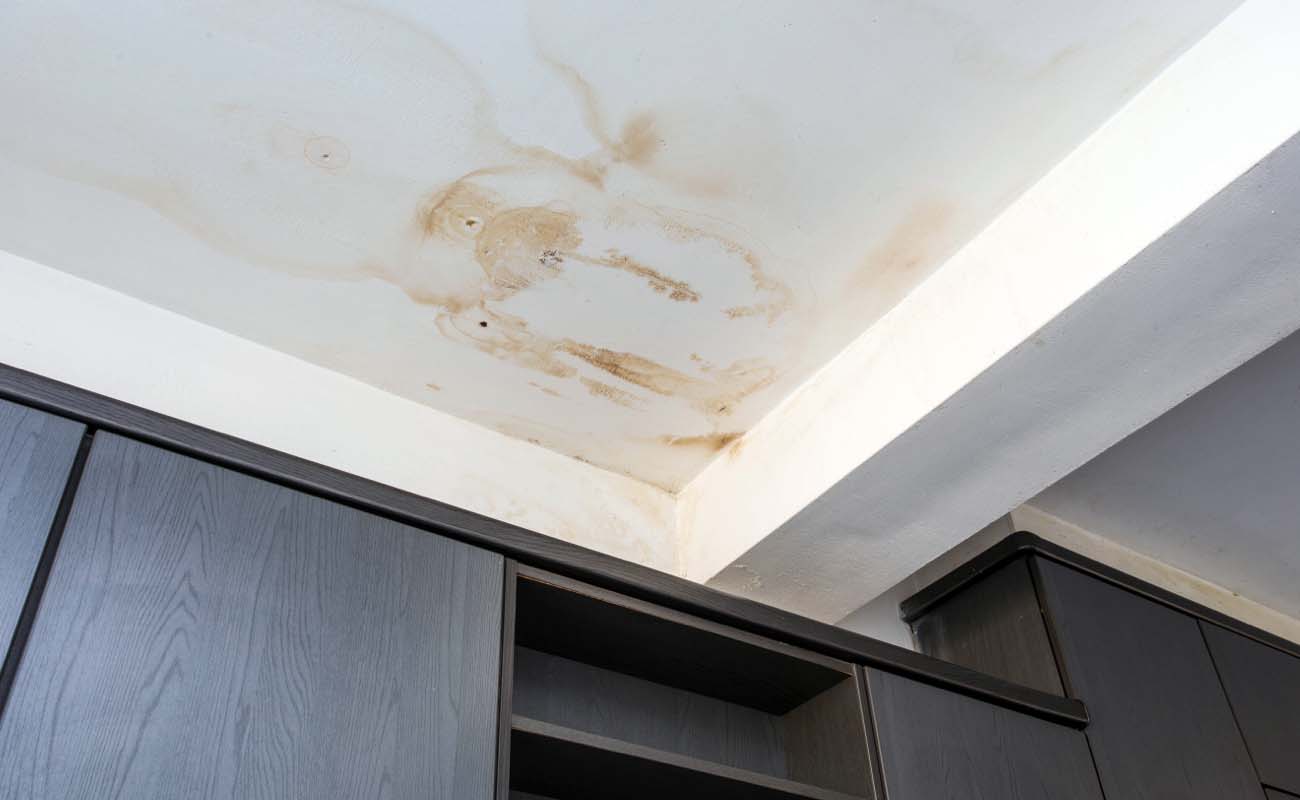
Defective Home Improvement Claims
Remodeling or otherwise upgrading a home or other property is rewarding but, unfortunately, fraught with danger. Defects in workmanship or materials threaten the owner’s investment and put the contractor’s or supplier’s reputation at risk.
The construction lawyers at Podlaski help clients throughout Indiana with legal matters related to problems like these:
- Foundation defects;
- Structural defects;
- Defects in workmanship;
- Defects in materials;
- Plumbing system problems;
- Electrical issues;
- Improper installation of heating, cooling, and ventilation systems;
- Defects in roofing systems;
- Mold that results from construction defects;
- Errors that result in removal, replacement, or repair of materials or systems;
- Negligence
- Legal responsibility for general delays;
- Legal responsibility for problems with site conditions;
- Permitting problems;
- Schedule delays or disputes;
- Excusable versus inexcusable delays;
- Supply delays;
- Liquidated damages provisions or clauses in contracts;
- Notice requirements; and
- Contract termination, when necessary.
Tips for Homeowners on Remodeling / Building Projects
The areas of home building and remodeling are particularly ripe with disputes. Purchasing and/or remodeling a home is one of the single largest expenses you can expect to incur during your lifetime. Homeowners should keep these tips in mind when entering these transactions.
Importantly, the Indiana Legislature has passed several laws to protect homeowners to name a few:
- Home Improvement Contract Act (HICA): Governs remodeling projects, requiring a written contract with specific details like estimated start/completion dates and a clear scope of work;
- Construction Warranty Act (CWA) : Act for substantially completed or completed home construction requires builders to provide statutory empowered warranties, if not properly waived or negated:
- 2 Years: Protection against defects in workmanship or materials (including electrical and plumbing).
- 4 Years: Protection against roof defects.
- 10 Years: Protection against major structural defects.
- Deceptive Consumer Sales Act (DCSA): This enforces HICA and CWA, enables homeowners to obtain enhanced damages and reimbursement of attorneys’ fees, and provides for contract recission or termination in certain circumstances.
These statutes generally require the homeowner to provide the builder notice and an opportunity to cure allowing the builder to offer a fix, before a homeowner can sue for defects.

Get It In Writing, Take Photographs, and Preserve Everything
HICA is a consumer protection statute that imposes certain minimum requirements on contractors engaging in all types of home improvement, from plumbing and electrical work to interior remodeling.
Under HICA, contractors must provide the homeowner with a written contract containing certain terms, including the following:
- The name, address, email, and phone number of the person responsible for the work
- The estimated start and completion dates
- A reasonably detailed description of the work to be done
- Signature blocks for both the contractor and the consumer
- The contract price
- Notice as to whether or not any of the work will be subcontracted
If your contract is missing any one of these required provisions, the contract is in violation of HICA, and you may have a cause of action against the contractor.
Homeowners and contractors must share a clear, detailed understanding of the work to be performed. Although HICA requires a reasonably detailed description in the contract, the safest approach for homeowners is to specify every aspect of the work they expect the contractor to complete. For example, hiring a painter to paint the interior of a home does not automatically mean the painter intends to handle all surface preparation, such as caulking cracks, repairing nail pops, or sanding trim.
While it may seem reasonable to assume that prep work is included, the homeowner should discuss these details with the contractor and confirm agreement. To avoid disputes about whether the contract was breached, all expectations should be documented in writing before the project begins, and in some cases, homeowners may benefit from contract writing services to ensure nothing is overlooked.
Litigation arises when communication between the homeowner and contractor breaks down. A contractor may claim they were removed from the job, while the homeowner insists the contractor abandoned the project. For this reason, homeowners should carefully document the status of the work with written notes and photographs, and preserve all emails, texts, and other communications.

Get More than One Estimate
Many homeowners choose contractors based on referrals, and personal recommendations can be helpful. However, a referral alone does not guarantee that a contractor is the right fit for your project.
Before signing an agreement, it is wise to obtain more than one estimate and speak with each contractor about the scope of work, materials, timeline, payment terms, and expectations. Comparing bids can help you identify gaps, unclear pricing, or project details that need to be addressed before work begins.
A successful construction or remodeling project depends on clear communication between the homeowner and contractor from the start. When both sides understand the goals, responsibilities, and written terms of the project, there is less room for confusion, payment disputes, or claims about incomplete or defective work later.
If you are a homeowner or a contractor in need of legal advice, contact us today at 260.222.2902.